Safety
Tire Safety & Hydroplaning Prevention: Essential Habits for Every US Driver
Nov 15, 2026 · 5 min read
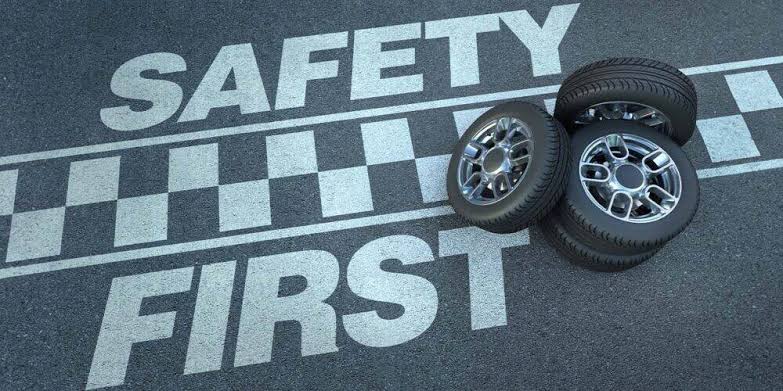
Protect yourself and your passengers with essential tire safety habits—covering proper PSI inflation, wet-weather stopping distances, load limits, and blowout prevention.
Tire Safety & Hydroplaning Prevention: Essential Habits for Every US Driver
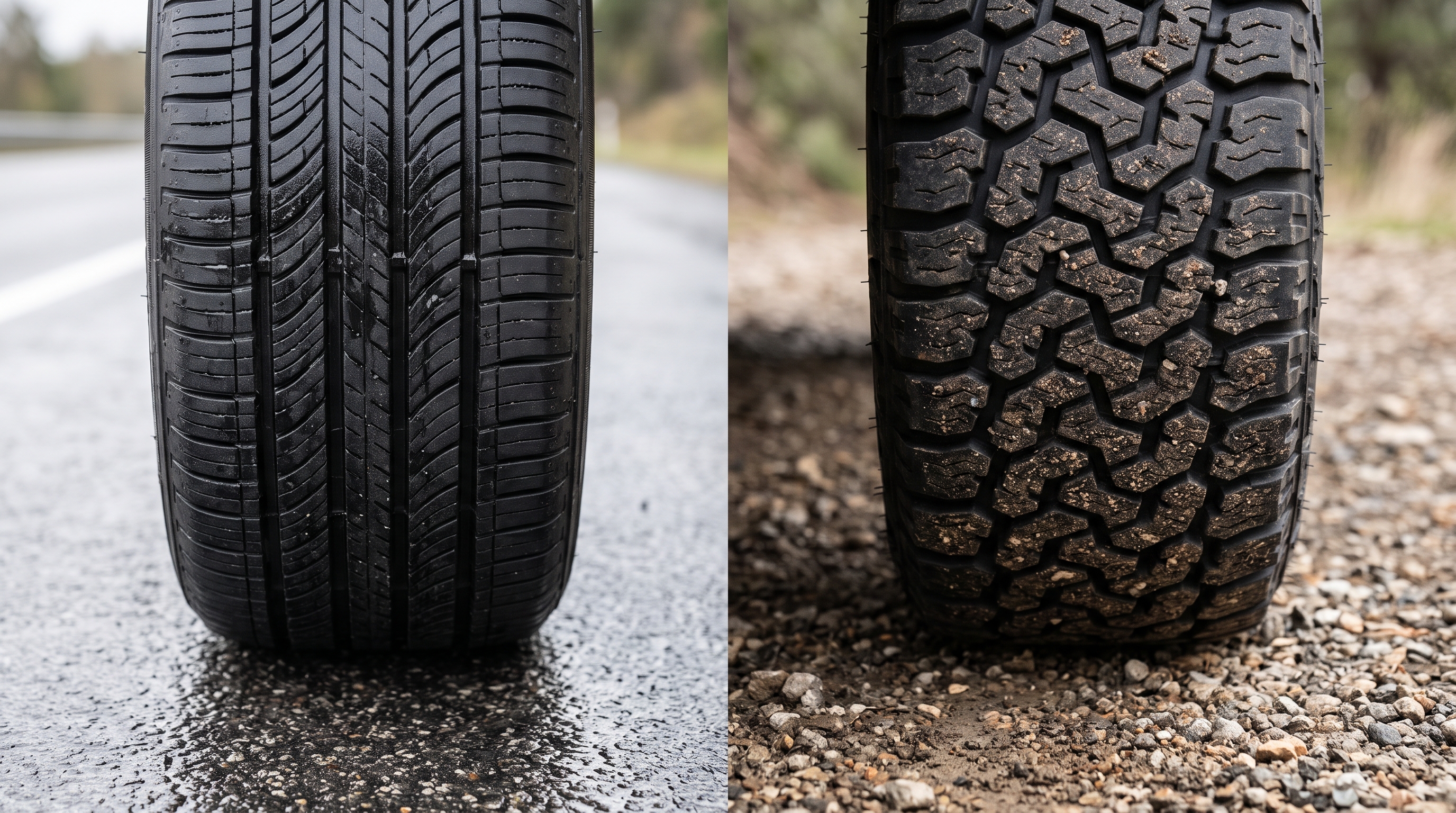
## Why Your Tires Are Your Vehicle's #1 Safety Feature Your tires are the only four points of contact between your vehicle and the road each roughly the size of a human hand. Braking systems, ABS, and stability control all rely entirely on tire grip to bring your vehicle to a safe stop. ## 1. Maintain Proper Cold Tire Pressure (PSI) Under-inflated tires flex excessively, generating dangerous heat that is the leading cause of highway blowouts. Over-inflated tires reduce the contact patch and compromise braking stability. * Where to Check: Always follow the recommended cold **PSI** listed on the driver-side door jamb sticker—not the maximum pressure stamped on the tire sidewall. * When to Check: Check tire pressure at least once a month and before long highway road trips, especially when seasonal temperatures drop (tires lose roughly **1 PSI for every 10°F drop**). ## 2. Prevent Hydroplaning on Wet Roads Hydroplaning occurs when water builds up faster than your tire tread grooves can evacuate it, causing the tire to lose direct contact with the asphalt. *Keep Adequate Tread Depth: Stopping distances on wet pavement increase sharply once tread wears below *4/32 of an inch—well before the legal 2/32" minimum. * Slow Down in Heavy Rain: Reduce speed on standing water and avoid using cruise control during rainstorms so you maintain immediate throttle control. ## 3. Respect Load Index & Rotation Schedules Never exceed your vehicle's maximum cargo and passenger weight rating, and rotate your tires every **5,000 to 7,500 miles** to ensure even tread wear and predictable emergency handling across all four wheels. ## Quick Pre-Trip Safety Check Before hitting the interstate, take 60 seconds to inspect all four tires for **embedded nails, sidewall bulges, missing valve caps, and uneven wear**—catching small issues early prevents roadside emergencies.